
Intro: after enjoying nature, what exactly do we leave behind?
Whenever the crisp autumn weather arrives, Hong Kong's country parks and beaches are packed with people. But after a cheerful weekend, the lawns are often littered with disposable utensils and plastic bags — some people even abandon the cheap ground mats they bought for a few dollars rather than take them home.
All of this damages the ecosystem, and it's led more and more people to ask a question: can outdoor activities be enjoyed in a greener way? As both companies and individuals pay more attention to ESG (environmental, social and governance), the "Leave No Trace" (LNT) green picnic is gradually becoming a new approach that signals both good taste and a sense of social responsibility.
1. What is "Leave No Trace"?
Leave No Trace originated in the United States as a set of environmental principles for reducing the impact of human outdoor activity on nature. Applied to everyday picnics and camping, the core spirit comes down to one line: take nothing but photos, leave nothing but footprints.
2. Three practical steps for planning a green picnic
Putting on an eco-friendly picnic isn't hard — a few small changes at the prep stage are all it takes:
Bring your own reusable utensils (BYO). Try to avoid disposable plastic forks and spoons, paper plates and cups; instead, encourage everyone to bring food in their own containers, paired with portable stainless steel or bamboo utensils. It's greener, and it lifts the overall feel of the picnic too.
Cut waste at the source, and pack smart. Slice fruit and portion out snacks at home beforehand, so you don't end up bringing unnecessary packaging outdoors. And remember to bring your own rubbish bags — when you leave, take all your waste with you to sort, rather than leaving it for nature or the next person.
Say no to single-use outdoor gear. This is the part that's most easily overlooked. Plenty of people go for convenience and buy a flimsy plastic ground sheet for a few dollars, then toss it after one use. That kind of plastic waste is hard to break down and does real harm to the soil. Buying a durable, washable mat that lasts is the greener — and cheaper — choice in the long run.

3. A great vehicle for corporate ESG events
For companies, putting on a green outdoor event brings staff together on the one hand, and on the other is a good chance to show off an ESG commitment to the outside world — rather than talking about cutting waste, it's better to lead by doing it once for people to see.
Doing your bit for the planet starts with choosing durable gear
BESTGIFT has long wanted to promote a sustainable way of enjoying the outdoors. Compared with throwaway plastic items, our two-in-one folding tote-bag picnic mat and ultra-light portable beach mat are better suited to long-term use — made from durable fabric, stain-resistant and easy to wash, one mat lasts through many seasons, which in itself is the most practical step toward "less waste."

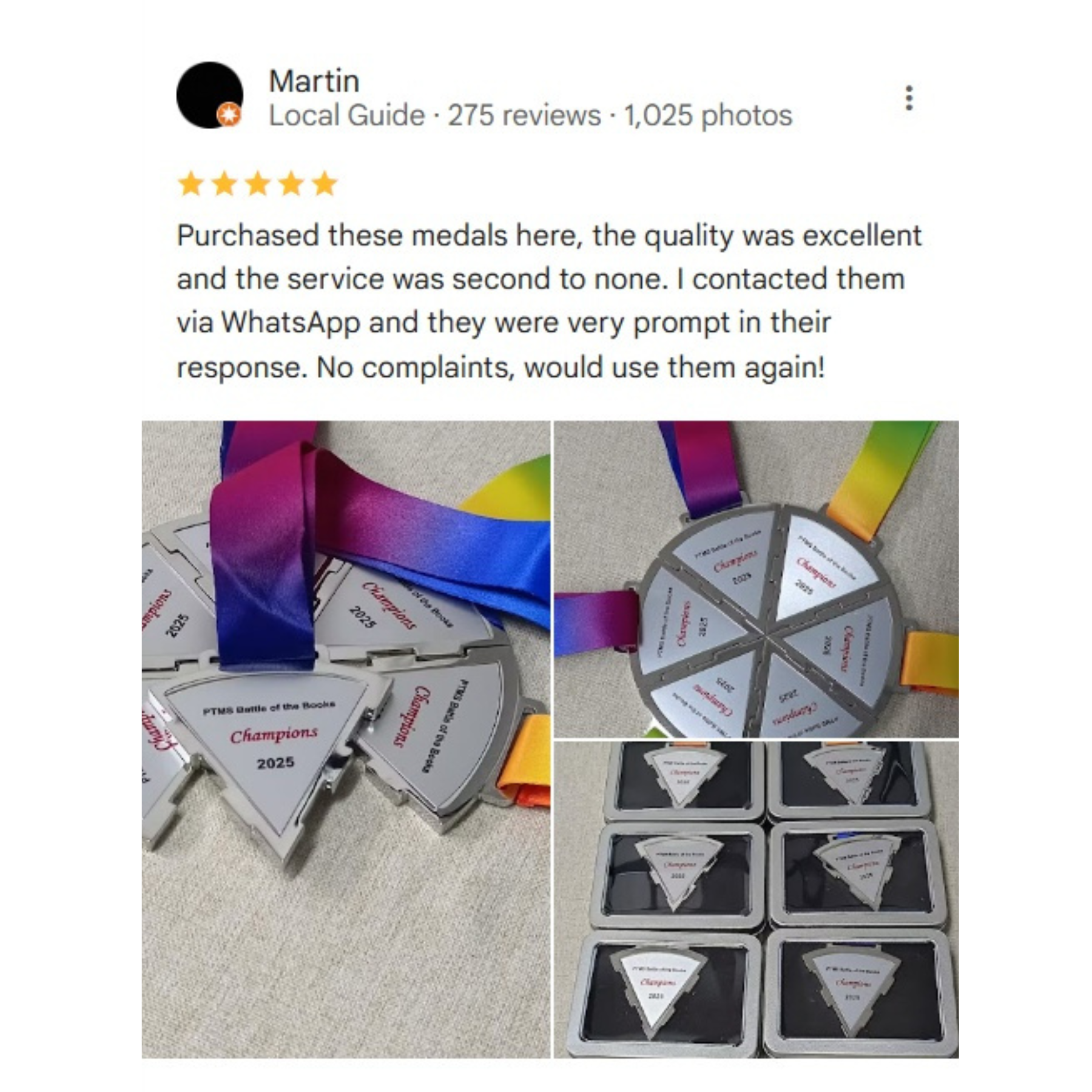
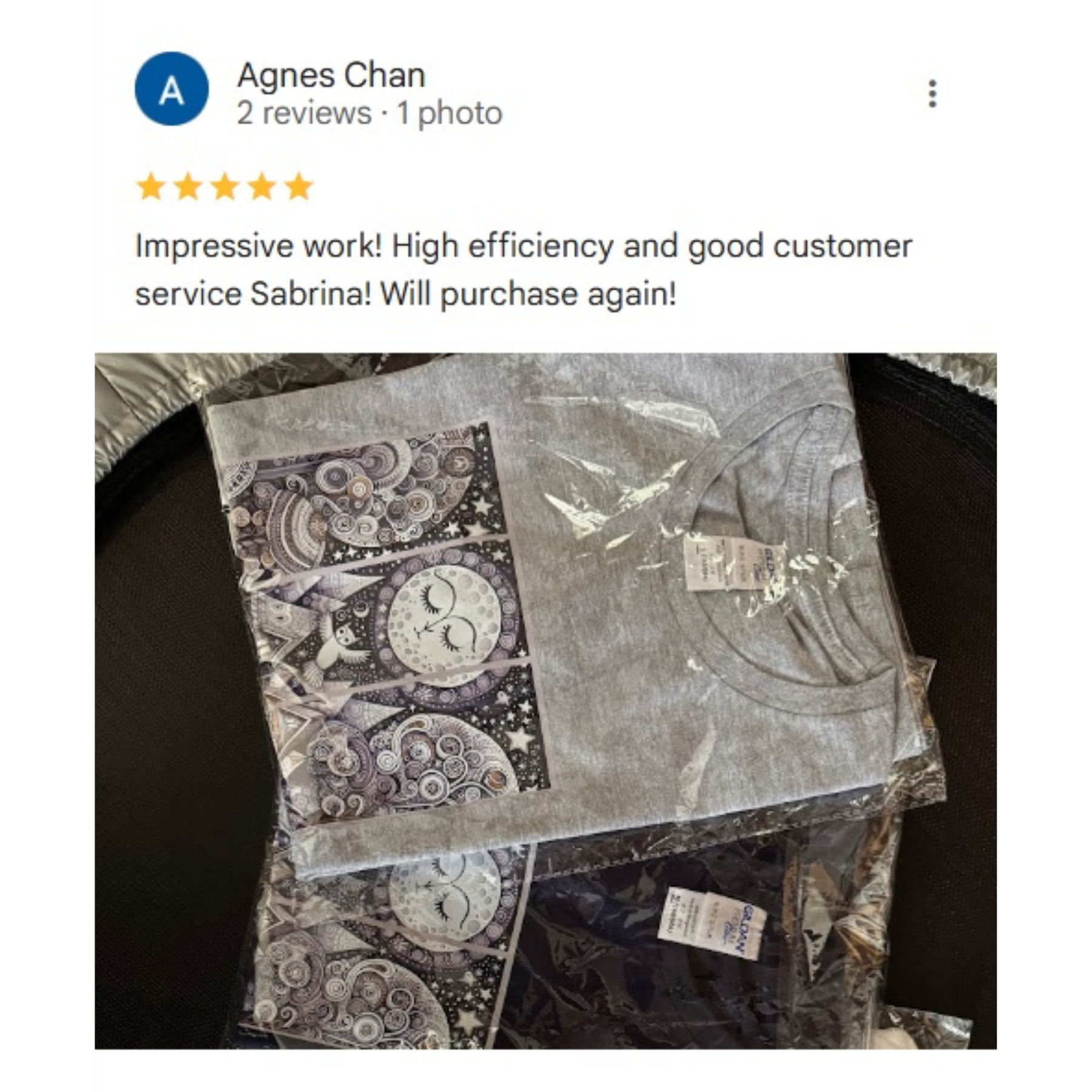
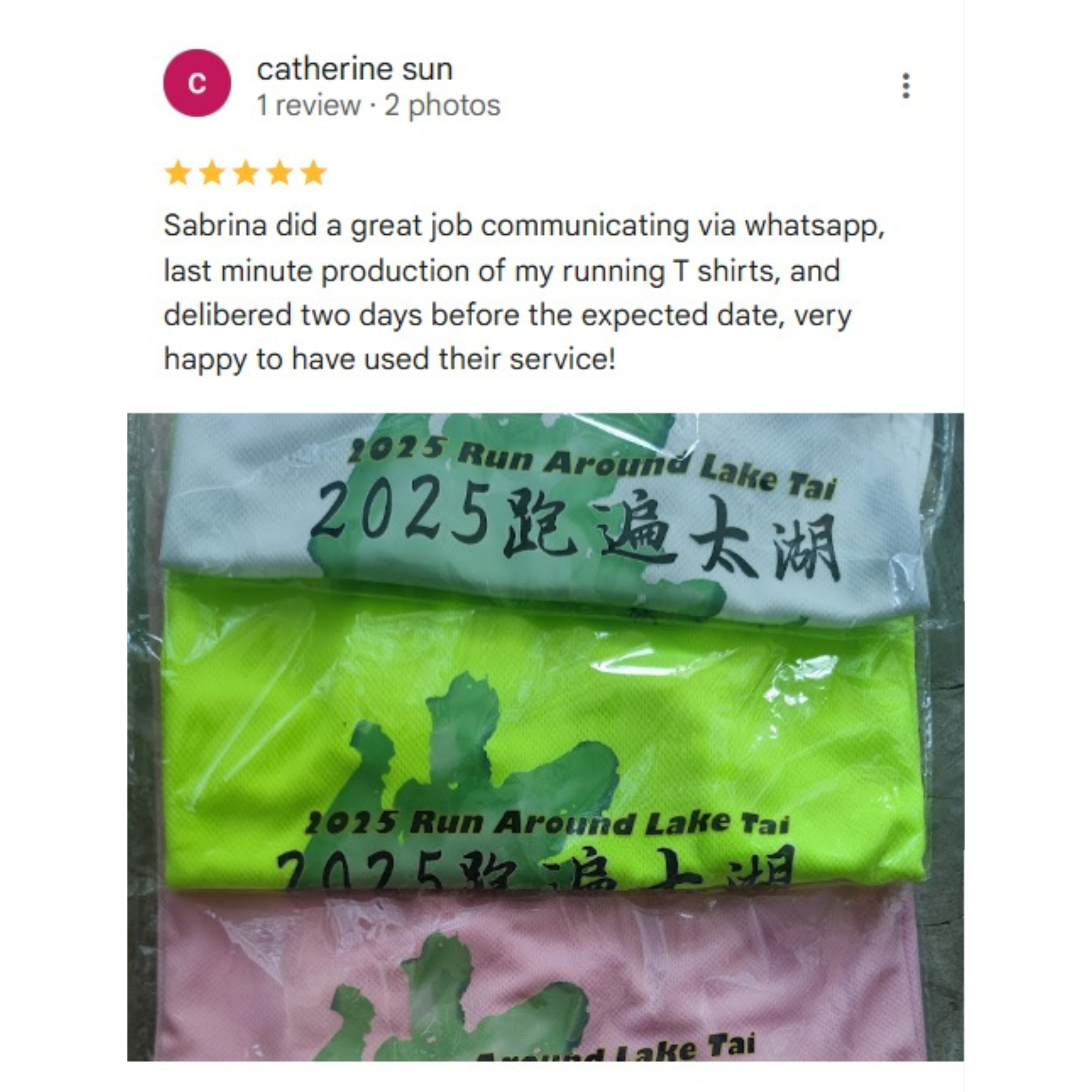
We also offer eco-themed customisation for companies, with orders from a single unit. Printing your company's green message on a reusable product, so staff see it every time they take it out, tends to be far more convincing than a slogan — it's ESG you can actually use.
Phone: (+852) 9568 4618
Email: hello@bestgift.com.hk
Website: https://bestgift.com.hk/
Address: Flat B, 15/F, Houston Industrial Building, 32-40 Wang Lung Street, Tsuen Wan, N.T., Hong Kong