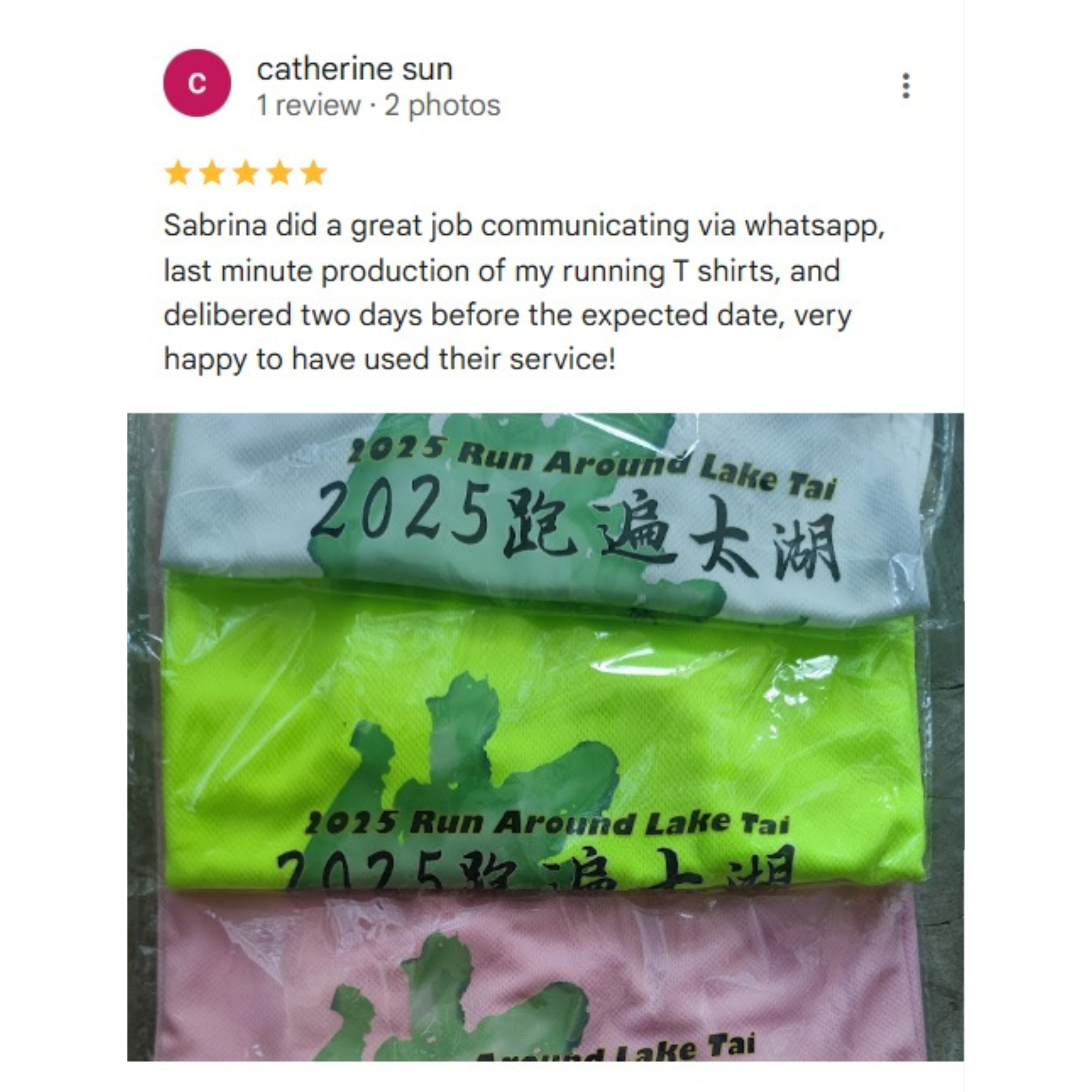

Custom T-shirts offer a simple way to give a group a distinctive identity. Brands, events, and personal projects are increasingly using custom T-shirts to build brand awareness and foster a sense of belonging. However, creating a shirt that looks right depends not only on the design itself but also on the printing method. This choice affects various factors, so it is important to understand and compare different printing methods before placing an order. BestGiftHK will explain to you all of it.
Why Choosing the Right Printing Method Matters for Custom Apparel?
The printing method can affect how the design appears on the fabric. From there you can also determine how comfortable the garment feels, and how well the decoration withstands repeated washing. In the end, you will know how much the final order costs. A method that works well for a simple logo may not be the best choice for a detailed illustration or a small batch of personalized shirts.
Conference Gift Bags vs. Individual Giveaways: Which Drives Better Engagement?
Choosing the right technique helps ensure that the finished apparel matches its intended purpose. Considering any differences about printing methods before ordering can help you achieve better-looking custom apparel while avoiding disappointing results.
Screen Printing: Best For, Pros, Cons
Screen printing is one of the most established methods for custom T-shirts. The print involves pushing ink through a prepared mesh screen onto the fabric, with separate screens generally used for different colors design. The result is a bold and solid print that stands out well on the garment.
Best for: Large-volume T-shirt orders, simple text and graphics, designs with a limited number of colors, and designs where durability is an important consideration.
Pros: The high-quality screen-printed designs can withstand frequent washing and regular wear, the ink produces bold and vibrant results, cost-effective for large orders and more economical as order quantities increase, can be used on many types of garments and fabrics, works well for clean logos and recognizable brand graphics.
Cons: Will be relatively expensive for small quantities, not ideal for highly detailed artwork, each additional color may require additional preparation, the ink and design may have a noticeable texture on the fabric if that ink type is heavy.
Embroidery: Best For, Pros, Cons
Embroidery creates a design by stitching thread directly into the fabric rather than applying ink to its surface. This gives custom T-shirts a textured appearance that can make the design more polished and distinctive. This is commonly associated with jackets, caps, polo shirts, and uniforms.
Best for: Company logos and branded apparel, work uniforms, professional-looking designs, simple text and uncomplicated logos, apparel that needs a long-lasting finish.
Pros: The premium appearance of raised stitching gives garments a high-quality look, can remain attractive through regular use, creates a three-dimensional effect that stands out from the fabric, effective on thicker garments.
Cons: Not ideal for highly detailed designs, higher cost for complex designs due to increasing production time and cost for more stitches, dense stitching may add the stiffness to certain areas, not suitable for delicate T-shirt materials, cannot easily reproduce photographic details or smooth color gradients.
DTG (Direct-to-Garment): Best For, Pros, Cons
Direct-to-garment printing applies ink directly onto the fabric using a specialized digital printer. This method is different from screen printing because it does not require separate screens for each color. This is useful for artwork with fine details and photographic elements. DTG is a flexible option for creators and businesses who want highly detailed custom T-shirts without necessarily ordering large quantities.
Best for: Detailed artwork, photographic or realistic designs, designs with many colors, small-batch or individual orders, limited-edition apparel.
Pros: DTG can reproduce intricate artwork and complex images with impressive precision, designs can include numerous colors and gradients, each shirt can feature a different design without changing the production process, the printed area can have a relatively soft feel.
Cons: DTG generally performs best on high-quality cotton or cotton-rich garments, may cost more for large quantities, print durability can vary depending on several factors such as ink quality and garment quality, cannot be used for very large solid-color graphics, the garment may require pretreatment and careful curing before production preparation.
Matching Print Method to Your Design
You have to start with the design itself rather than choosing the cheapest or most popular option. There are many things you have to look at, such as the number of colors, level of detail, placement, and overall style. These can influence which technique produces the best results.
For example, for simple logos and text, screen printing and embroidery can provide a professional result. Bold design with a few colors, screen printing is a practical choice because it is suitable for larger orders. For fine details, photographic designs and complex artwork, DTG is the best option because it has color variations more effectively. Embroidery is suitable for premium branding because it can create a 3D effect and is durable for a long time.
By considering both the artwork and the garment together, you can choose a printing method that delivers the appearance and durability, plus the cost you expect.
Price Comparison by Method and Quantity
The cost of custom T-shirt printing can vary depending on the printing method and the number of shirts being ordered. There is no single method that is always the cheapest because setup costs, garment type, design complexity, and production volume can all influence the final price.

-
Small quantities are well-suited for DTG, as it requires minimal setup and works effectively for individual or small-batch orders. Embroidery is also suitable for this type of quantity, although costs may rise depending on stitch density and the design itself.
-
For medium quantities, it still depends on the design. Screen printing can become more attractive as the quantity increases, whereas DTG remains useful for full-color artwork.
-
Large quantities are suitable for screen printing because they are better value per shirt with the same design, particularly when the artwork uses a limited number of colors.
Comparing the complete order cost rather than just the advertised unit price will give you a better idea of which method offers the best value. If you'd like to learn more about printing methods or custom T-shirts, contact BestGiftHK now and get the best customized apparel you'll ever create!